Doctors enter trucking's regulatory crosshairs
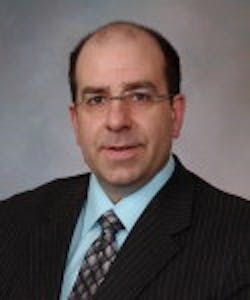
To that end, Dr. Clayton Cowl (at right) – a physician in Preventive, Occupational and Aerospace Medicine at the famous Mayo Clinic in Minnesota – is trying to raise awareness throughout the medical community about how the FMCSA’s new rules (which go in to affect May 2014) affect both them and the truckers they serve.
It should be noted, too, that this isn’t some doctor pontificating from an “Ivory Tower,” either, for Dr. Cowl actually learned how to drive a tractor-trailer so he could, in his words, “better understand the physical stress truck drivers face” in the rough-and-tumble world of freight.
“Under new federal requirements, the medical examinations will only count if they are performed by a health care provider specially trained and certified to do so,” Dr. Cowl explained. “The goal is preventing medical emergency-related truck and bus crashes through what likely will be more intense health exams.”
[What comprises a DOT physical nowadays? Dr. John McNamara of DOT Physicals of Orange County, CA, provides a nice summary in the video below.]
The federal rules adopted earlier this year also mean it may be more difficult for drivers who fail their medical exams to “doctor shop” to find examiners who will pass them – and examiners will likely be held more accountable if they aren’t thorough or let someone slide by who shouldn’t, Dr. Cowl warned.
“If something bad happens, if an accident occurs and property or individuals are somehow affected, the examiner may get added scrutiny if they haven’t done a comprehensive medical evaluation or a glaring medical condition was not addressed,” he examined.
Yet he also stressed that often the Department of Transportation (DOT) medical evaluation is the only opportunity for preventive care that a truck driver will receive.
“Granted, it’s more regulatory burden on the drivers and their examiners, but I also view this as an opportunity for health care providers to make a difference in their lives,” Dr. Cowl said. “It’s their chance to emphasize the importance of preventive health care and get them pointed in the right direction in terms of pursuing healthier lifestyles.”
For example, he explained that while eye strain and chronic stress are two obvious health issues long-haul truck drivers and tour bus operators face, job-related and performance-affecting medical issues can go far beyond those two that to include such diverse problems as sleep apnea; diabetes; high blood pressure; obesity; painful, chronic hemorrhoids; and muscular and skeletal strain.
Also, he noted that many truck drivers still smoke or use other forms of tobacco, putting them at higher risk of cardiovascular disease and lung disease.
Indeed, Rebecca Brewster, president & CEO of the American Transportation Research Institute (ATRI), pointed out to me not long ago that many of the “health metrics” for truck drivers aren’t good. She said that, according to recent research, 55% of truck drivers overweight and more than 50% smoke, compared to a national overall average of 20.9% and 25%, respectively.
That’s why the Mayo’s Cowl emphasizes the importance of the DOT medical exam required at least every two years, because it’s probably only time a truck driver may see a health care professional.
He also stressed that there’s a growing shortage of such medical personnel in this area, too, as the FMCSA estimates some 40,000 qualified medical examiners will be needed to perform roughly three million exams a year under the new rules.
That’s a lot to deal with in a short period of time, no doubt – but hopefully the medical community can step up to the plate and start knocking down a lot of these issues.