Spike in traffic fatalities sparks safety concerns
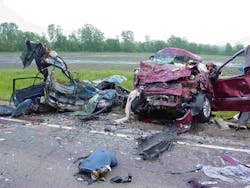
A projected 13.5% jump in traffic fatalities as tracked by the National Highway Traffic Safety Administration (NHTSA) in the first quarter this year compared to the same quarter in 2011 is sparking concerns among safety experts who – by and large – hope the fatality surge represents a one-time aberration and not an unwelcome trend.
“The first quarter fatality numbers are a bad sign, despite all of the efforts from all the safety advocates in the field,” David Kelly, former NHTSA Acting Administrator and now president of consulting firm Storm King Strategies, told Fleet Owner. “Hopefully, this is just an anomaly and the rest of the year will rebound.”
NHTSA’s estimates 7,630 people died in motor vehicle traffic crashes in the first quarter of 2012; a 13.5% increase over the 6,720 fatalities logged in the first quarter of 2011. The agency noted that one possible explanation for the significant jump in fatalities could be due to what it termed “the unseasonably warmer winter than usual in most areas of the country,” leading more people to drive than normal.
“It should be noted that the rate for the first quarter each year is traditionally significantly lower than the rates for the other three quarters, potentially due to, but not restricted to, the effects of winter weather,” NHTSA said in a statement. “Consequently, the fatality rate for the first quarter should not be used to make inferences for the fatality rate for the whole of 2012.”
However, preliminary data reported by the Federal Highway Administration (FHWA) showed that vehicle miles traveled (VMT) in the first three months of 2012 only increased by about 9.7 billion miles, or just 1.4%. As a result, the fatality rate for the first three months of 2012 increased significantly to 1.10 fatalities per 100 million VMT, up from 0.98 fatalities per 100 million VMT in the first quarter of 2011, according to NHTSA.
The agency added that if those projections for the first quarter of 2012 are realized, it will represent the second largest year-to-year quarterly increase in fatalities since NHTSA began recording traffic fatalities in 1975.
Still, the agency stressed that those first quarter fatality numbers and percentages must considered in context with the long decline in traffic deaths over the last several years.
“While it is too soon to speculate on the contributing factors or potential implications of any increase in deaths on our roadways, it should be noted that the historic downward trend in traffic fatalities in the past several years—a pattern which has continued through the early estimates for 2011 released recently that show deaths at a 60-year low—means any comparison will be to an unprecedented low baseline figure,” NHTSA said.
Indeed, first quarter fatalities declined by about 30% over the last five years, according to the agency’s data: dropping from 9,558 fatalities in the first quarter of 2006 to 6,720 fatalities in the first quarter of 2011, before spiking upwards to 7,630 in the first quarter this year.
About the Author
Sean Kilcarr
Editor in Chief
Sean Kilcarr is a former longtime FleetOwner senior editor who wrote for the publication from 2000 to 2018. He served as editor-in-chief from 2017 to 2018.